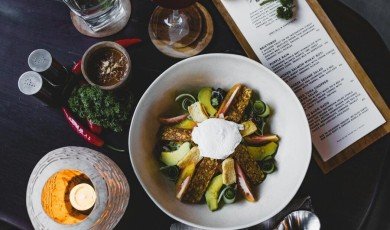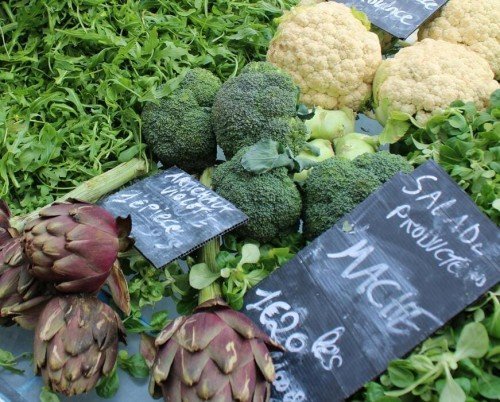
Fire-kissed vegetables and tangy fermented flavors are reshaping what it means to eat plant-based. Instead of relying on meat substitutes or bland salads, today’s cooks are discovering how smoke, char, and cultured foods can transform humble produce into bold, layered, and unforgettable dishes. By leaning into traditional preservation methods and primal cooking techniques, home chefs can build complex flavors that rival any steakhouse, while still keeping their meals grounded in wholesome, seasonal ingredients.
1. Harness the Power of Char for Deep, Smoky Flavor
Strategic charring is one of the fastest ways to build restaurant-level flavor at home. When vegetables like cabbage, leeks, carrots, and cauliflower hit intense heat, their natural sugars caramelize while the outer layers blacken just enough to add a pleasant bitterness. This contrast—sweet interior, smoky exterior—delivers depth you simply cannot get from boiling or steaming.
For best results, use cast-iron pans, a grill, or a broiler. Keep the vegetables relatively dry so they sear instead of steam, and don’t overcrowd the pan. Think blistered shishito peppers with flaky sea salt, charred broccoli with lemon and tahini, or blackened corn tossed with lime and chili. These techniques form a foundation you can reuse across countless recipes.
2. Elevate Everyday Veggies with Fermented Condiments
Fermented condiments are the secret weapons of modern vegetarian kitchens. Kimchi, sauerkraut, pickled jalapeños, miso, gochujang, and fermented chili pastes bring acid, funk, and umami that brighten smoky, grilled dishes. A spoonful of sauerkraut on charred potatoes, or a drizzle of miso dressing over flame-roasted carrots, can completely change the character of a meal.
Even a simple weeknight bowl—grains, roasted vegetables, and greens—jumps from ordinary to memorable when topped with a punchy, fermented element. While you experiment with recipes and track your kitchen projects, streamline the boring admin side of your food business or supper club by using an online invoice generator free pdf, so you can stay focused on creativity instead of paperwork.
3. Build “Umami Bombs” with Miso and Smoked Ingredients
Umami is often associated with meat, but miso, dried mushrooms, seaweed, smoked salts, and fermented soy sauces can replicate that savory depth in plant-based cooking. Miso in particular is incredibly versatile: whisk it into marinades for grilled eggplant, stir it into butter for corn on the cob, or blend it into a glaze for roasted squash.
Combine these ingredients with fire-based cooking for maximum impact. Try smoked paprika on charred cauliflower, or a miso and soy glaze brushed onto skewered vegetables over hot coals. Smoked olive oil or smoked salt sprinkled at the end adds a final, aromatic hit that makes dishes taste slow-cooked and luxurious, even when they come together quickly.
4. Experiment with Fermented Chili Sauces and Pastes
Fermented chili sauces deliver layered heat that feels more complex and rounded than raw spice. Unlike fresh chilies, which bring a sharp, immediate burn, fermented versions carry tanginess and subtle sweetness that play beautifully with grilled and roasted vegetables. Gochujang, sambal oelek, and homemade fermented hot sauces are excellent starting points.
Create a signature sauce by blending fermented chilies with roasted garlic, vinegar, and a touch of sweetness. Use it as a finishing drizzle over flame-crisped Brussels sprouts, smoky tofu skewers, or grilled zucchini. Over time, you’ll learn how different chilies and fermentation lengths affect the flavor, allowing you to tune recipes to your preferred level of heat and complexity.
5. Turn the Grill into a Fermentation Partner
Fire and fermentation don’t just work side by side on the plate; they can also interact during the cooking process. Grilling ingredients before fermenting them adds a deeper, woodsy character to your finished ferments. Imagine lightly charred tomatoes turned into a fermented salsa, or smoked beets that later become a tangy, probiotic-rich relish.
This approach allows you to capture the fleeting flavors of peak-season produce and enjoy them for weeks or months. Be sure to let grilled items cool before jarring them with brine, and always follow safe fermentation practices, including clean jars, correct salt ratios, and proper storage temperatures.
6. Craft Layered Vegetarian Mains with Fire and Ferment
One of the biggest challenges for plant-forward cooks is designing center-of-the-plate dishes that feel satisfying and complete. By layering grilled, smoked, and fermented components, you can build extraordinary main courses with minimal reliance on dairy or processed meat alternatives.
Consider a grain bowl with fire-charred sweet potatoes, grilled kale, crispy chickpeas, and a spoonful of kimchi, all tied together with a miso-tahini dressing. Or assemble tacos filled with smoked mushrooms, pickled red onions, and a fermented chili crema. These combinations showcase harmony between smoky, sour, spicy, and sweet, offering a complexity that keeps every bite interesting.
7. Use Fermented Dairy Alternatives for Creamy, Tangy Accents
For those seeking vegan or lactose-light options, fermented non-dairy products can stand in for traditional cheese and yogurt. Cashew cheeses, coconut yogurt, and oat-based kefir bring tang, body, and richness to smoky dishes without overwhelming them. The tang cuts through char and fat, much like sour cream on chili.
Dollop cultured cashew cream over grilled vegetable platters, swirl coconut yogurt into smoky lentil stews, or top a roasted cauliflower steak with fermented nut cheese and herb oil. These elements provide contrast in both texture and flavor, rounding out plates that might otherwise feel one-note.
8. Preserve Seasonal Abundance for Year-Round Creativity
Fermentation allows you to capture the bounty of each season and reuse it in fresh, inventive ways. Late-summer cucumbers become crunchy pickles that accompany winter stews; radishes and green beans turn into tangy snacks to serve alongside grilled tofu; surplus cabbage gets reborn as spicy kraut for charred veggie sandwiches.
By constantly rotating fermented garnishes and condiments, your go-to grilled basics never grow boring. The same grilled carrot dish can feel entirely new depending on whether you serve it with lemony preserved cabbage, smoky fermented peppers, or a punchy, garlicky pickle relish.
Where Smoke, Time, and Imagination Meet
Plant-based cooking becomes far more exciting when you combine the immediacy of fire with the slow magic of fermentation. Charring, smoking, pickling, and culturing turn simple vegetables and grains into meals that feel crafted, thoughtful, and deeply flavorful. Whether you’re hosting a backyard cookout, launching a small food venture, or simply feeding yourself better at home, these techniques expand your toolkit far beyond basic roasting and steaming.
As you experiment with smoky glazes, tangy condiments, and charred mains, you’ll discover that a vegetarian plate can be just as bold, indulgent, and satisfying as any meat-centric feast—sometimes more so. With a little patience, a hot flame, and a few jars on your counter, your kitchen can become a laboratory of flavor that keeps your table vibrant all year long.